
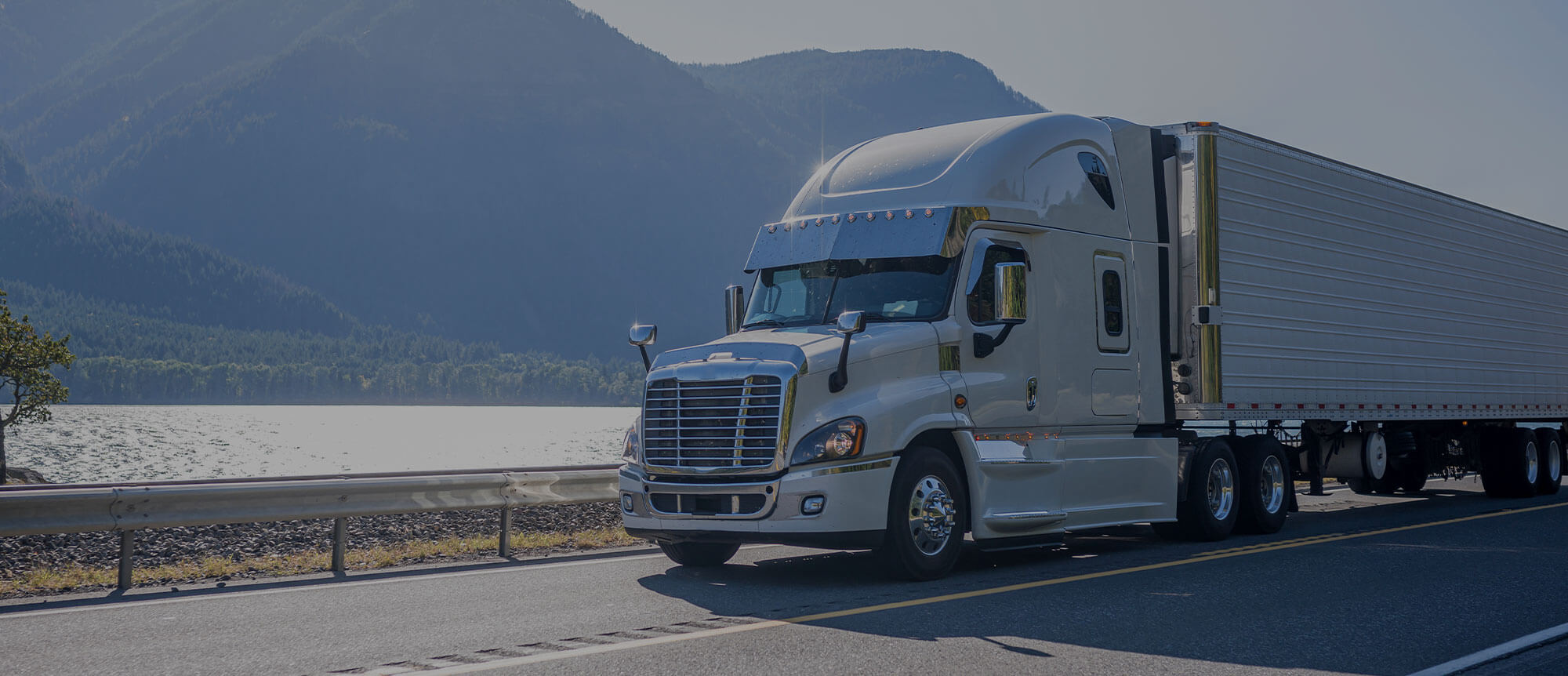
Florida’s produce doesn’t wait, and neither does the freight market around it. Every year, the same pattern plays out: capacity tightens fast, reefer rates climb, and shippers who didn’t plan ahead end up scrambling for trucks that other shippers already locked in weeks earlier. Produce freight in Florida rewards a produce freight partner who understands the season, not just the paperwork.
Why Florida Produce Season Breaks the Freight Market Every Year
Florida and Texas are the two states that kick off produce season each year, and Florida’s peak typically runs from around mid-April through July, tied closely to the harvest window for Valencia oranges, one of the state’s largest agricultural exports. Strawberries out of Plant City, citrus from the Indian River Valley, and tomatoes and peppers out of Immokalee and Homestead all move through the same tightening capacity window, often overlapping enough that multiple crops are competing for the same trucks at once.
The effect isn’t limited to produce shippers. When reefer capacity gets pulled toward produce lanes because rates rise and volume is steady, that pressure spills into the dry van and flatbed markets too, since carriers and drivers gravitate toward the higher-paying produce freight. Any shipper competing for trucks during the same window feels the squeeze, whether or not they’re moving produce themselves.
The Regions That Drive Florida’s Produce Calendar
South Florida is best known for citrus, with oranges and grapefruits thriving in the region’s sunny, subtropical climate. Central Florida’s Plant City area is one of the country’s most recognized strawberry-growing regions, with a harvest window that typically peaks earlier in the year than the broader statewide produce season. Southwest Florida, around Immokalee and Homestead, produces heavy volumes of tomatoes and peppers, while the Everglades Agricultural Area contributes sweet corn and beans on its own seasonal rhythm.
Each of these regions has a slightly different peak window, which means a shipper moving freight out of one part of the state may face a different capacity picture than a shipper moving freight out of another, even in the same month. A produce freight partner with real regional knowledge tracks these differences instead of treating “Florida produce season” as a single, uniform event.
When Capacity Actually Tightens (and Why It Catches Shippers Off Guard)
Produce season pressure doesn’t build gradually. Rejection rates on outbound Florida freight can spike sharply and quickly once the season gets underway, sometimes tripling compared to the same point in prior years. That kind of jump signals that capacity is tightening earlier and faster than the historical pattern would suggest, and shippers working off last year’s timeline can find themselves caught flat-footed.
Regional carriers that work non-produce freight most of the year will shift some or all of their fleet into produce lanes once the season ramps up, which is exactly why capacity for everyone else gets harder to find at the same time. Weather disruptions add another layer of unpredictability. Severe winter weather can damage crops during a critical growing window, reducing yields in some areas and shifting volume and timing in ways that break the usual seasonal playbook entirely.
What Happens to Rates When Reefer Demand Spikes
As demand rises, spot market rates respond by rising too, which is the market’s way of pulling more capacity into the region. Outbound rates from Florida during peak season typically run well above their fall baseline, with the sharpest increases showing up on the longest hauls, particularly lanes running to the Northeast and Midwest. Inbound rates into Florida often soften during the same window, because carriers are eager to reposition equipment into the state ahead of the season.
That inbound softening is worth paying attention to strategically. Shippers who can time inbound freight, or repositioning moves, to take advantage of softer inbound rates ahead of the season sometimes offset part of the cost increase they’ll face once outbound rates climb.
How to Plan Before the Season Hits, Not During It
The shippers who avoid the worst of produce season are the ones who plan for it months in advance, not the week capacity tightens. That means reaching out to your carrier partners well before Memorial Day to confirm forecasted needs actually line up with what they can realistically provide.
A few specific moves make a meaningful difference. Build a seasonal rate escalator into annual contracts instead of assuming rates stay flat through the spring. Shift freight to LTL or consolidated moves when volume doesn’t justify a full trailer. Offer carriers flexible pickup windows where possible, since that flexibility is often worth more to a carrier than a small increase in rate. Real-time market data, through tools that track regional capacity trends, can also help you time bookings around the sharpest spikes rather than reacting after they’ve already hit.
What Separates a Produce-Ready Carrier From a General Reefer Carrier
Not every reefer carrier is actually built for produce. Produce freight has a lower tolerance for delay than most other categories, because a short delay or a temperature swing can turn into a rejected load or a total loss. Tight appointment windows and specialized handling requirements mean carriers tend to favor easier freight when the market tightens, which puts pressure on shippers who don’t already have a real relationship with a carrier who prioritizes produce.
During produce season specifically, reputation matters as much as rate. Carriers track how loads actually run for a given shipper, and shippers who are difficult to work with, or who don’t offer flexible pickup windows, often find themselves lower in priority when capacity gets scarce and carriers are choosing which freight to take.
Produce Transportation Has Been JGLC’s Business Since Day One
Produce transportation has been part of JGLC’s business since the company’s founding in 1962, when John J. Greene began moving oranges from the groves around Mims, Florida. That isn’t a service the company added later to chase a market trend. It’s the foundation the entire business was built on.
JGLC operates Greene Transport Company, an asset-based fleet dispatched first on every produce load when capacity allows, backed by a network of 10,000+ vetted carrier partners, many with specific experience running Florida’s perishable corridors. JGLC is also a member of the Florida Perishable Freight Conference, the International Fresh Produce Association, and the Canadian Produce Marketing Association, relationships built with growers, packers, and shippers over more than six decades.
Why a Produce Freight Partner in Florida Beats Managing It Alone
Some shippers try to manage produce season entirely in-house, calling individual carriers directly as capacity gets tight. That approach can work in a normal year, but produce season isn’t a normal year. It’s a compressed window where relationships built well in advance matter more than any single phone call made during the crunch.
A logistics partner with real produce-season experience brings something an internal team usually can’t replicate on short notice: established relationships with carriers who specifically prioritize produce freight, historical data on which lanes tighten first, and the ability to diversify across multiple carrier options instead of depending on a single point of failure. When one carrier relationship falls through mid-season, a partner with a broader network can pivot faster than a shipper working the phones alone.
This matters most for mid-sized shippers who move meaningful volume but don’t have the scale to negotiate dedicated capacity contracts the way the largest shippers do. For that group, a produce freight partner with an asset-based fleet and a deep carrier network functions as leverage that would otherwise be out of reach.
A Season-Ahead Planning Checklist
- Confirm your forecasted volume with carrier partners well before the season ramps up, not once rates start climbing
- Build a seasonal rate escalator into contracts rather than budgeting off flat annual rates
- Identify which loads can shift to LTL or consolidated moves if capacity gets tight
- Offer flexible pickup windows where your operation allows it
- Confirm your carrier has real produce-specific experience, not just general reefer capacity
Key Takeaways
- Florida produce season tightens capacity for every shipper in the state, not just produce shippers. Reefer demand pulls trucks away from dry van and flatbed freight too. See how JGLC handles produce freight.
- Planning ahead of the season matters more than reacting once rates climb. Confirming forecasted needs with your carrier partners months in advance is the single biggest lever shippers have. Learn about JGLC’s refrigerated fleet.
- Not every reefer carrier is built for produce specifically. Produce freight has less tolerance for delay than most categories, and a carrier without real produce experience will favor easier freight when the market tightens. Read JGLC’s story on Florida’s Space Coast.
Frequently Asked Questions
When does Florida produce season actually start?
Florida produce season typically begins in early spring and peaks between mid-April and July, though timing varies by region and crop. Plant City strawberries often peak earlier than the broader statewide citrus season.
Why does produce season affect shippers who don’t move produce?
Reefer and dry van carriers shift capacity toward higher-paying produce lanes during peak season, which tightens capacity and raises rates across the broader Florida freight market, not just for produce shipments.
How much do rates increase during Florida produce season?
Outbound Florida rates typically run well above their fall baseline during peak months, with the sharpest increases on long-haul lanes to the Northeast and Midwest. Inbound rates often soften as carriers reposition equipment into the state.
What makes a carrier produce-ready versus a general reefer carrier?
A produce-ready carrier has specific experience with tight appointment windows, temperature-sensitive handling, and the seasonal volume swings unique to produce freight, not just general refrigerated capacity.
Does JGLC specialize in Florida produce freight?
Yes. Produce transportation has been part of JGLC’s business since its 1962 founding, and JGLC is a member of the Florida Perishable Freight Conference, IFPA, and CPMA.
Sources
- RXO, “Produce Season Shipping: How It Impacts the Truckload Market”
- GOFC Logistics, “Peak Produce Season Capacity: How Shippers Plan Ahead”
- Trinity Logistics, “5 Proven Ways to Survive Peak Produce Transportation Season”
- Go Freight, “Florida Produce Season Shipping: A 2026 Reefer Guide”
- IEL Freight, “Produce Season: Southeast and California”
- Cornerstone Systems, “Peak Produce Season Planning (and How Logistics Partners Can Help)”
- England Logistics, “2024 Produce Season Shipping Guide”
- Truckverse, “Produce Season Freight Shipping Transportation Guide”
- CF Logistics, “Florida Logistics: Seasonal Shipping Trends & What to Expect”
- Badger Logistics, “A Refrigerated Trucking & Cold-Chain Shipping Guide for 2026”